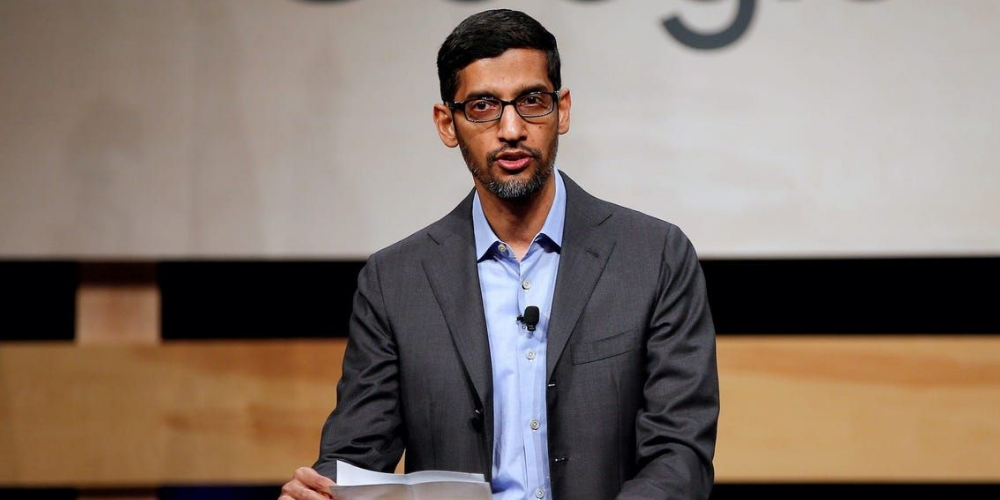
In the modern work environment, leadership has nothing to do with titles or power, rather than how well you lead others, make decisions, and establish trust. This is why a great number of managers turn to the leaders who can always provide the results without causing havoc. Sundar Pichai is one of such leaders.
Pichai is the CEO of Google and Alphabet Inc., which is one of the most innovative organizations globally. However, his leadership style is quite basic, down-to-earth, and human.
This blog discusses the Sundar Pichai leadership style to managers- not theoretically, but in a manner you can practically apply in your day-to-day work.
Understanding Sundar Pichai’s Leadership Journey
Before we break down his leadership style, it helps to understand his journey. Sundar Pichai didn’t become a global CEO overnight. He started his career quietly, working behind the scenes on products like Chrome and Android at Google.
What made him stand out wasn’t aggressive ambition-it was his ability to collaborate, stay calm, and consistently deliver results. Over time, those qualities earned him trust, and that trust eventually led him to the top.
That’s an important lesson for managers: leadership is not about visibility alone-it’s about reliability.
The Core of Sundar Pichai Leadership Style
If you try to summarize the Sundar Pichai leadership style, it comes down to a few key ideas:
- Stay calm under pressure
- Listen more than you speak
- Trust your team
- Focus on long-term impact
- Keep communication clear
Simple? Yes. Easy to practice consistently? Not always.
Let’s break these down in detail.
1. Calmness Is a Strategic Advantage
In fast-paced environments, stress is unavoidable. Deadlines, targets, and unexpected problems are part of the job. But how a leader reacts to stress makes all the difference.
Sundar Pichai is known for his calm demeanor-even during challenging situations at Google.
Why This Matters for Managers
When a leader panics:
- Teams lose confidence
- Decision-making becomes rushed
- Mistakes increase
When a leader stays calm:
- People think clearly
- Solutions improve
- Trust grows
Feature Article: Zarine Manchanda: Most Iconic Women Leaders to Watch in 2025-26
How to Apply This
- Take a pause before responding to problems
- Focus on facts, not emotions
- Encourage solution-based discussions
Calmness isn’t weakness-it’s control.
2. Listening Is More Powerful Than Talking
Many managers believe leadership means giving instructions. In reality, effective leadership starts with listening.
Sundar Pichai is widely respected for his ability to listen carefully and consider different viewpoints.
Practical Manager Tips
- Let employees complete their thoughts
- Ask open-ended questions
- Avoid interrupting
When people feel heard, they contribute more. And when they contribute more, your team becomes stronger.
3. Empowerment Over Micromanagement
Micromanagement is one of the biggest productivity killers in any organization.
At Google, teams are encouraged to take ownership of their work. This is a direct reflection of Pichai’s belief in empowerment.
What Empowerment Looks Like
- Giving clear goals but not controlling every step
- Allowing employees to make decisions
- Supporting rather than controlling
Why It Works
- Increases confidence
- Boosts creativity
- Builds accountability
Managers who trust their teams create leaders-not followers.
4. Clear Communication Builds Strong Teams
One of the most prevalent causes of problems at the workplace is communication issues. Misinterpretation results in time wastage, frustration and poor performance.
Among the strengths that Sundar Pichai has that are underestimated is the fact that he can communicate effectively-even in a huge company such as Alphabet Inc.
Simple Ways to Improve Communication
- Use simple language
- Be direct about expectations
- Repeat key goals regularly
Clarity reduces confusion, and clarity improves performance.
5. Focus on Long-Term Vision
Short-term thinking can deliver quick results, but it rarely builds lasting success.
Pichai consistently focuses on long-term innovation, guiding Google into areas like AI, cloud computing, and future technologies.
What Managers Can Learn
- Don’t focus only on immediate tasks
- Align work with bigger goals
- Help your team understand the purpose behind tasks
People perform better when they know why they’re doing something.
6. Humility Makes Leadership Stronger
Many people associate leadership with dominance or authority. But Pichai proves that humility can be just as powerful.
Sundar Pichai doesn’t try to dominate conversations or take credit for everything.
Benefits of Humility
- Encourages teamwork
- Builds respect
- Reduces conflict
How Managers Can Practice This
- Share credit with your team
- Admit when you don’t know something
- Be open to feedback
A humble leader is easier to trust-and trust is everything in leadership.
7. Encouraging Innovation Without Fear
Innovation doesn’t happen in environments where people are afraid to fail.
At Google, experimentation is encouraged. Not every idea succeeds, but every attempt teaches something.
What Managers Should Do
- Allow experimentation
- Avoid punishing failure
- Recognize creative efforts
If your team fears mistakes, they will avoid taking risks-and that limits growth.
8. Adaptability in a Changing World
The business environment is constantly evolving. New technologies, new customer expectations, and new challenges appear regularly.
Pichai has successfully led Google through major changes by staying adaptable.
Manager Takeaways
- Stay updated with trends
- Be open to learning
- Adjust strategies when needed
Rigid leadership doesn’t survive in a flexible world.
9. Building a Positive Work Culture
Culture is not just a buzzword-it directly affects performance.
At Google, culture plays a major role in employee satisfaction and productivity.
How Managers Can Build Culture
- Recognize achievements
- Encourage collaboration
- Support work-life balance
A strong culture keeps teams motivated even during tough times.
10. Decision-Making with Balance
Good leaders don’t rely only on instincts or only on data they balance both.
Pichai uses data-driven insights while also considering human factors.
What Managers Can Do
- Analyze available data
- Consider team feedback
- Avoid rushed decisions
Balanced decisions lead to better outcomes.
Real-World Example: Leadership in Action
Sundar Pichai concentrated on teamwork over direction during the process of developing Chrome. He did not micromanage but allowed his team to experiment and be innovative.
The result? Chrome emerged as one of the popular browsers worldwide.
This case illustrates the most important fact: the style of leadership has a direct influence on outcomes.
How Managers Can Start Today
You don’t need to be a CEO to apply these principles. Start small.
Daily Actions You Can Take
- Listen actively in meetings
- Stay calm during challenges
- Delegate one task fully
- Communicate clearly
- Appreciate your team
Leadership improves through consistent practice not big one-time efforts.
Why This Leadership Style Works Today
The Sundar Pichai leadership style for managers works because it aligns with modern workplace expectations:
- Employees want respect
- Teams need clarity
- Businesses require innovation
- Work environments demand adaptability
This style isn’t outdated it’s future-ready.
Final Thoughts
Sundar Pichai can demonstrate that the leaders do not need to be loud or aggressive to be effective. It is capable of being quiet, reflective, and socially oriented.
- To managers, it is apparent that:
- You do not have to alter your character.
- You do not have to be in control of your team.
- All you have to do is lead with clarity, trust and consistency.
Apply some of these principles, and you will begin to notice a change-not only in the outcomes, but also in the reaction of your team to you.
That is what true leadership is all about.