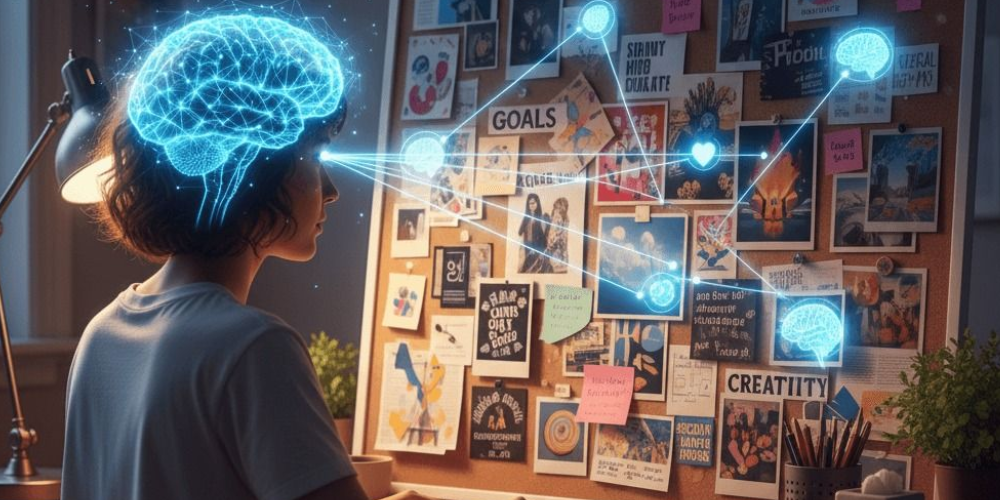
Self regulation is a fundamental life skill that subtly influences the way individuals think, feel, and behave in their daily lives. It influences the approach to goal achievement, the way problems are managed, and the expression of feelings. Although talent, intelligence, and opportunity are among the success factors, self-regulation tends to make or break such qualities as opportunities and talents are applied or squandered on impulsive choices and unhealthy habits.
Self-regulation has never been as significant as it is nowadays when we live in a busy environment, full of distractions, pressure and demands. It is the skill of remaining down-to-earth, concentrated, and purposeful despite the challenging situations or the emotional turbulence of the day.
Understanding Self-Regulation
Self regulation is the capability to control the thoughts, feelings, and behavior so that it promotes long-term aspirations and individual values. It is the ability to regulate the impulses, turn off the gratification and act in response, not because of an automatic reaction.
This competence is one that enables a person to take time and analyse a situation before taking action. Self regulation helps people to make constructive and purposeful choices rather than being influenced by immediate emotions like anger, fear, or excitement.
Self regulation does not revolve around feeling emotions or refusing feelings. Instead, it is about being conscious of emotions and having control over behaviour. It is the harmony between feeling and being a disciplined and responsible action.
The importance of Self-regulation.
There are big and little choices in everyday life. Self regulation is involved in almost all areas of life, including time and task management, relationships, and stress management.
Individuals who exercise great self-control will:
• Develop the ability to make better decisions when faced with pressure.
• Better stress management.
• Be productive and focused.
• Establish better relationships.
• Create consistency and discipline.
• Get over setbacks faster.
In the absence of self-regulation, this leads to an easy way of getting into procrastination, emotional expressions, bad habits, or evading.
Over time, these behaviours can limit personal growth and reduce overall well-being.
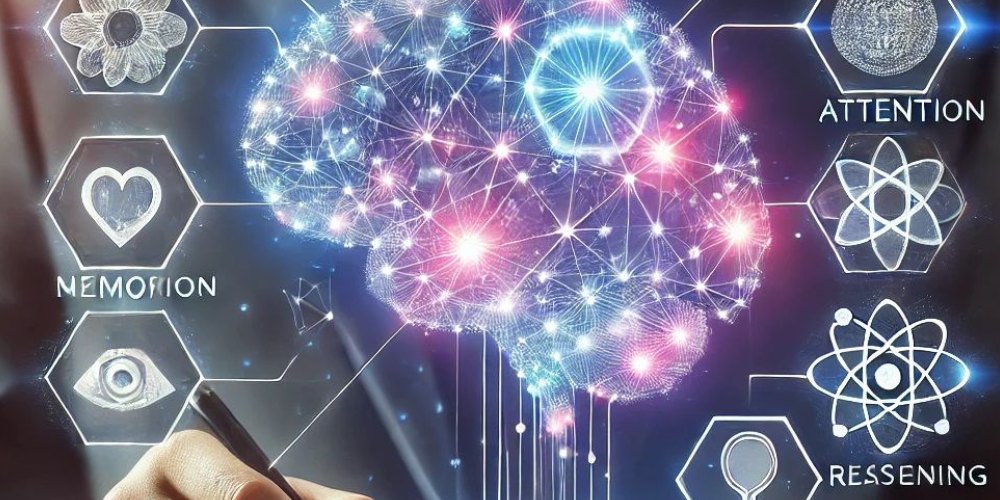
Emotional Intelligence and Self Regulation.
Self regulation and emotional intelligence are inextricably connected. Emotional intelligence is the awareness and response to emotions, whereas self-regulation defines the way the emotions are controlled. As an example, when you are engaged in a disagreement, it is quite natural to feel frustrated, and self-regulation allows you to express the frustration calmly and respectfully, rather than being angry or defensive. This skill empowers communication and avoids unnecessary conflict.
Being able to control their emotions, individuals listen more attentively, empathise, and respond in a considerate manner. The skills create better relationships and enhance social interactions, both at personal and professional levels.
The Self-Regulation in Personal Development
Individual development demands regularity, tolerance and patience in both thoughts and real action towards the long-term objectives. Self-regulation will assist you to remain concentrated even in times of diminished motivation. Most of the goals that are not achieved do not happen due to the absence of ability; it happens as they are distracted by emotions or even impulses. Self-regulation is the linking factor between intention and action which promotes following through even in situations where things appear to be sluggish. Self-regulation can be the key to success in the long term in the fields of fitness, learning, career and skill development. Completely insignificant, yet regular, small actions, taken daily, yield results.
Also Read:Ben Silbermann: The Visionary Behind Pinterest’s Global Success Story
Self-Regulation in Everyday Life.
It is not confined to big decisions, but it manifests in commonplace situations. It manifests when you decide to complete a task rather than postponing, listen rather than interrupt and remain calm in stressful times.
Examples of self-regulation in everyday life are:
• Time management and time keeping.
• Selecting good behaviours in Favor of the comfort of the moment.
• Remaining tolerant during hard dialogues.
• Minimising distractions at work or in school.
• Self-regulation of behaviour and reflection.
Self-Regulation has been challenged by the following inequalities:
It becomes more difficult to do self-regulation when feeling stressed, fatigued, or emotionally overwhelmed. Self-discipline may be lost due to external factors, such as work pressures, social pressure and constant digital stimulation.
Common challenges include:
• Emotional exhaustion
• Lack of clear goals
• High stress levels
• Sleeplessness or bad habits.
• Technological hyper stimulation.
When the mind or feelings are emptied, it becomes harder to control behaviour. That is why it is important to have healthy habits and manageable expectations.
Is Self-regulation Amenable to Improvement?
Self regulation is a skill and not an inborn characteristic. It may be reinforced through practice, awareness, and conscious effort. The change is slow, but in the case of constant changes, it results in the long term.
The beneficial approaches to forming self regulation include:
Developing self-awareness -Understanding of personal triggers, habits, and emotional patterns, provides the opportunity to stop and make a more appropriate reaction.
Challenging work objectives- Goals that are motivating provide purpose. Being aware of your goal will prevent temptations and remain on track.
Taking conscious pauses – A moment of consideration will provide time to calm emotions and prevent actions in haste.
Establishing helpful habits- Timely slumber, nutritious diets, and routines stabilise moods and enhance concentration.
Self-compassion I practice self-compassion, is growth. The ability to learn through errors rather than self-criticism maintains motivation and a strong spirit.
Self-regulation and Management of Stress.
It is inevitable because we are subjected to stress, but it is the way we manage it. Self-regulation helps to respond more healthily, reduce emotions, and prevent burnout.
Self-regulation encourages problem-solving, balance of emotions, and adaptation as opposed to panic or avoidance. With time, it creates a higher level of resilience and enhances mental health.
People who regulate stress effectively are more likely to maintain productivity, emotional stability, and physical health even during challenging periods.
Long-Term Benefits of Self Regulation
The benefits of self-regulation extend far beyond short-term achievements. Over time, strong self regulation contributes to:
- Greater confidence and self-trust
- Improved decision-making skills
- Stronger personal and professional relationships
- Increased adaptability and resilience
- A deeper sense of personal control and purpose
Self-regulation supports the ability to lead oneself effectively. It allows individuals to align actions with values and make choices that reflect long-term priorities rather than short-term impulses.
Final Thoughts
Self Regulation is a strong inner ability that determines behaviour, feelings, and life. This is not perfection or strict control, but conscious realisation and willful behaviour. The world is full of distractions and pressure, and in such a setting, self-regulation offers stability, clarity and direction.
It is through the practice of self-regulation that a person can have freedom of choice of response, construct his or her meaningful habits and progress well to his or her destinations. Self-regulation is a lifetime capability through patience and practice, which is helpful to growth, balance, and success.